It Might Be Our Park, But It’s Also Their Home
An Interview with Halle Holmes on Ethical Wildlife Viewing and Respecting the Rut
By Ashley Glasco — Art for Our Parks
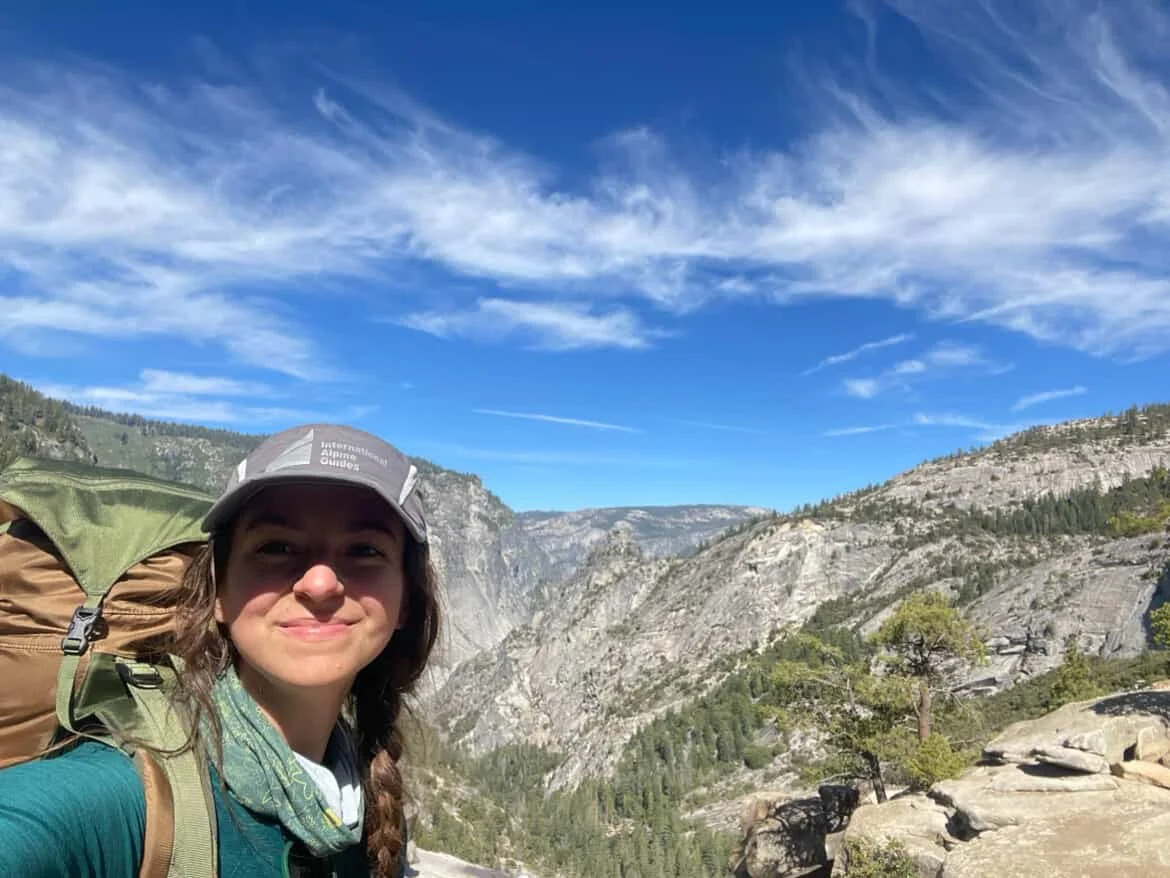
“It might be our park, but it’s also their home.”
That single sentence captures the heart of ethical wildlife viewing — a truth wilderness and adventure guide Halle Holmes has come to understand deeply through years spent guiding across some of the most extreme and ecologically sensitive landscapes in the United States.
From the glaciers of Alaska to the deserts of Death Valley, Halle has made a career out of helping people experience wild places safely, responsibly, and with intention. Along the way, she’s noticed a pattern that shows up almost everywhere: people love wildlife, but often don’t know how to coexist with it.
While our conversation focused broadly on wildlife ethics and outdoor education, her insights apply directly to sensitive wildlife seasons — like the elk rut — when human behavior can have outsized impacts. Her experiences reveal how small, seemingly harmless actions — getting too close, feeding animals, ignoring seasonal guidelines — can ripple outward in ways most visitors never see.
From Nomad to Naturalist
Halle didn’t set out to become a wilderness guide. After graduating from college in 2019, she hit the road, living nomadically and visiting as many national parks as she could. A few years later, a visit to New River Gorge National Park introduced her to the world of guiding — and everything clicked.
“I absolutely fell in love with bringing people outside,” she says. “It's my favorite thing to do, and I'm so lucky to go to work every day and love my job.”
Since then, Halle has guided hiking trips along the Oregon Coast, desert expeditions in southern Nevada, canoe trips in Alaska’s Tongass National Forest, backpacking and summit treks in the High Sierra, climbing days in West Virginia, and soon, glacier guiding on the Knik Glacier in southcentral Alaska — where she’ll teach people about wild ice and climate change.
Her wide-ranging experience has given her a uniquely well-rounded perspective on how humans interact with wildlife — and how often those interactions go wrong.
Loving Wildlife Without Knowing How to Be Around It
Across nearly every landscape she’s worked in, Halle has noticed the same contradiction: people are drawn to animals, yet often behave in ways that put those animals — and themselves — at risk.
In places like Death Valley, visitors tend to show more caution, likely because the environment feels dangerous. But in heavily visited parks like Yosemite, wildlife is often treated like part of the attraction.
“They're feeding the squirrels at Curry Village, they're not storing their food properly in the Yosemite backcountry,” she explains. “I mean, I've even seen videos recently of people petting the burros in Death Valley.”
At the same time, there’s intense fear — especially around animals like bears. Halle believes both reactions stem from the same root issue: a lack of education.
“I truly don't think people understand how wild these places are,” she says.
This kind of misunderstanding can become especially concerning during sensitive wildlife seasons — like the elk rut — when animals are already under significant physical and energetic stress. Approaching animals too closely or ignoring seasonal guidelines can interrupt natural behaviors and increase stress responses. The impacts aren’t always visible — but they’re real.
The Power of Understanding Why
One of the defining moments in Halle’s journey as an educator happened close to home. While hiking a trail clearly marked as closed to dogs — due to wildfire restoration and wildlife concerns — she encountered someone ignoring the rule.
Calling it out didn’t go well. But it sparked a realization.
“But it made me realize that a lot of people not only don't fully recognize the impact they can have, but don't understand why certain guidelines exist for outdoor recreation,” she says.
That “why” has since become central to her approach as a guide and educator. She’s seen firsthand how understanding consequences can shift behavior — especially when teaching Leave No Trace principles.
During multi-day backpacking trips with high school students, she often focuses on food waste. Many kids start out believing that leftover food is harmless because it’s biodegradable.
“A lot of people have been taught that food is biodegradable, but I've definitely watched kids go from, ‘Well that'll decompose,’ to ‘hey, we need to clean up the food we spilled in the kitchen area,’ after understanding the effect food waste can have on the environment, and that's really cool,” she says.
That same shift in understanding is critical when it comes to wildlife viewing. While Halle spoke broadly about wildlife interactions, the principle remains the same during seasons like the elk rut: understanding the “why” behind distance rules and seasonal closures can influence how visitors choose to behave.
Emotion, Science, and Storytelling
When it comes to reaching people, Halle believes there’s no one-size-fits-all approach.
“Sadly, the thing that hits home the most, is when you make it about them, especially if you're coming at it from the position of ‘bystander’ rather than ‘guide.’ How could interacting with an animal negatively affect them?” she says.
But empathy and storytelling matter too. Explaining the meaning behind phrases like “a fed bear is a dead bear” helps people connect emotionally with the consequences of their actions. And when she’s guiding professionally, she leans heavily on science.
“…people love to hear little facts,” she says.
This balance of emotion, science, and storytelling mirrors the goals of Respect the Rut — meeting people where they are and offering multiple ways to engage with wildlife ethics.
Wildlife Encounters Without Disturbance
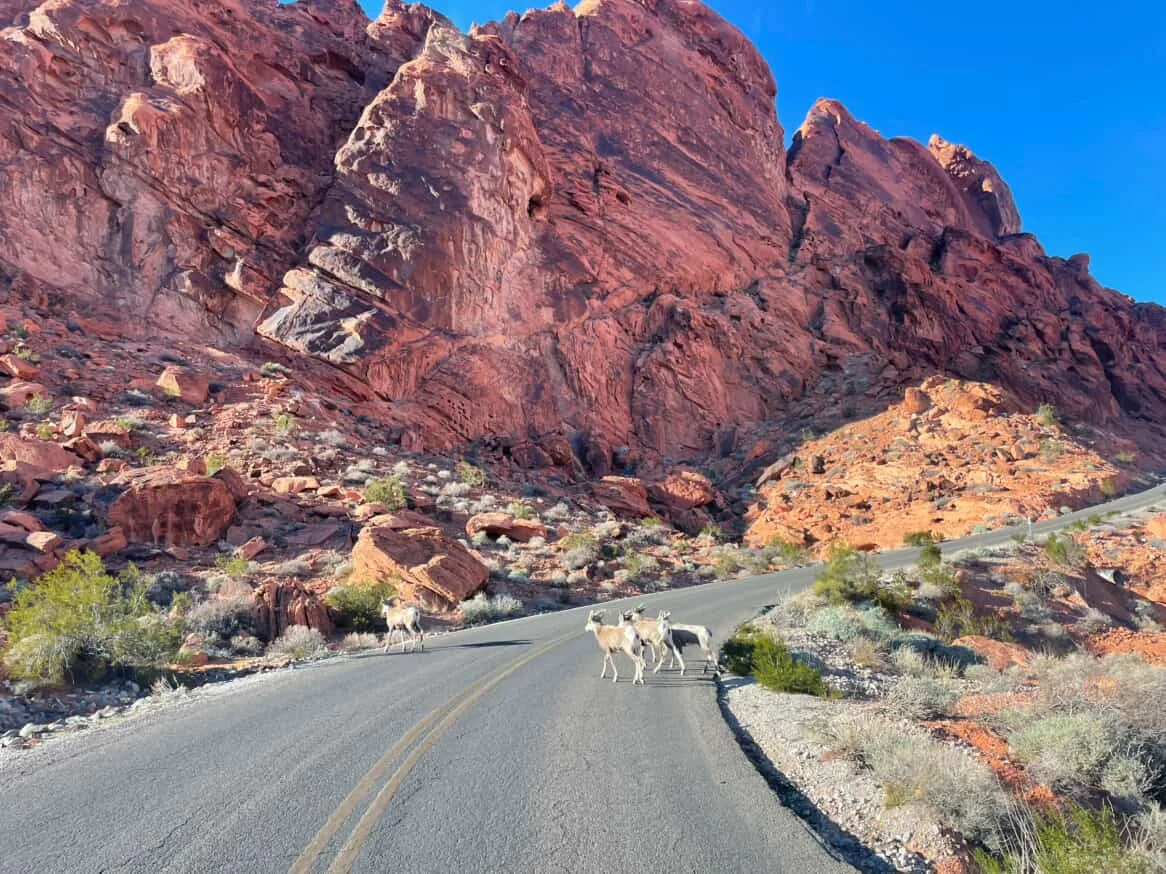
Ethical wildlife viewing prioritizes space, patience, and respect.
For Halle, ethical wildlife viewing starts with anticipation and awareness. She talks about wildlife early on in her trips, answering questions about what animals live in the area and naturally leading into safety and ethics discussions.
When wildlife appears, she stops the group at a safe distance, keeps voices low, and allows the animal to move through its environment undisturbed.
“This usually gives time for folks to take photos, ask me questions, etc, while observing the animal in its home, safely,” she says.
It’s a simple approach — but one that prioritizes the animal’s needs over the visitor’s desire for closeness.
“It’s Their Home”
If Halle could design one interpretive sign for a park, it would read:
“It might be our park, but it’s also their home.”
The word home, she explains, resonates with people. Most wouldn’t tolerate strangers entering their house, leaving messes, or disrupting their daily lives. Yet that’s often exactly how wildlife experiences human visitation.
“There are a lot of folks out there who believe that because land is ‘public,’ they're entitled to it.”
Respecting wildlife — especially during vulnerable times like the rut — means remembering that we are visitors in someone else’s home.
A Vision for Ethical Outdoor Recreation
Looking ahead, Halle hopes to see a future where Leave No Trace is the baseline, not the goal — and where people let go of entitlement in favor of stewardship.
She also emphasizes the importance of educating ourselves before visiting wild places: learning why an area is protected, whose land we’re on, and what makes that ecosystem unique.
“Having this deeper understanding of the places you visit will have you WANTING to treat it better,” she says.
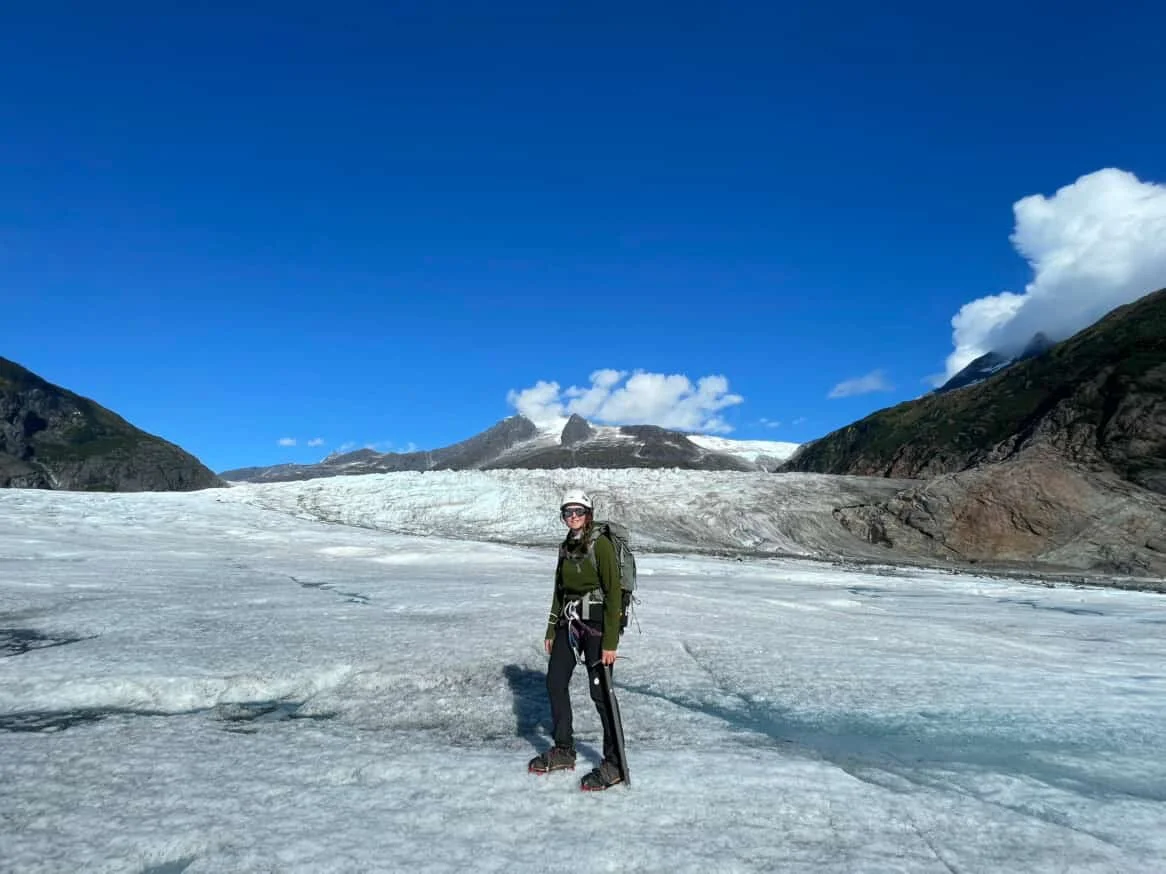
Halle hiking on a glacier — a place where climate change and human impact become visibly tangible.
One experience that cemented this worldview for her came while guiding in Alaska’s Tongass National Forest, where she watched a glacier melt and calve over the course of a season.
“Watching that glacier melt over the course of the season, sometimes watching it calve right in front of my eyes, solidified the fact that everything is all connected,” she says. “The actions we take in one part of the world, can affect something far away, that many people might think is so separate from them, and that thing can have an affect on them as well.”
The Tongass lies on Tlingit land, and the word Halle learned there — Gunalchéesh — is often translated not simply as “thank you,” but more directly as, “I am not whole without you.”
It’s a fitting reminder: to the glaciers, the wildlife, the forests, and the deserts — we are not separate from nature. And respecting wildlife, especially during moments as critical as the elk rut, is one way we honor that connection.
Transparency Note
This interview was conducted via email. Responses have been lightly edited for clarity and length. Contextual framing and campaign connections were added by the author.
Interviewee: Halle Holmes
Role: Wilderness Guide & Outdoor Educator
Instagram: @halletreks
