The Importance of Indigenous Voices in Conservation Art
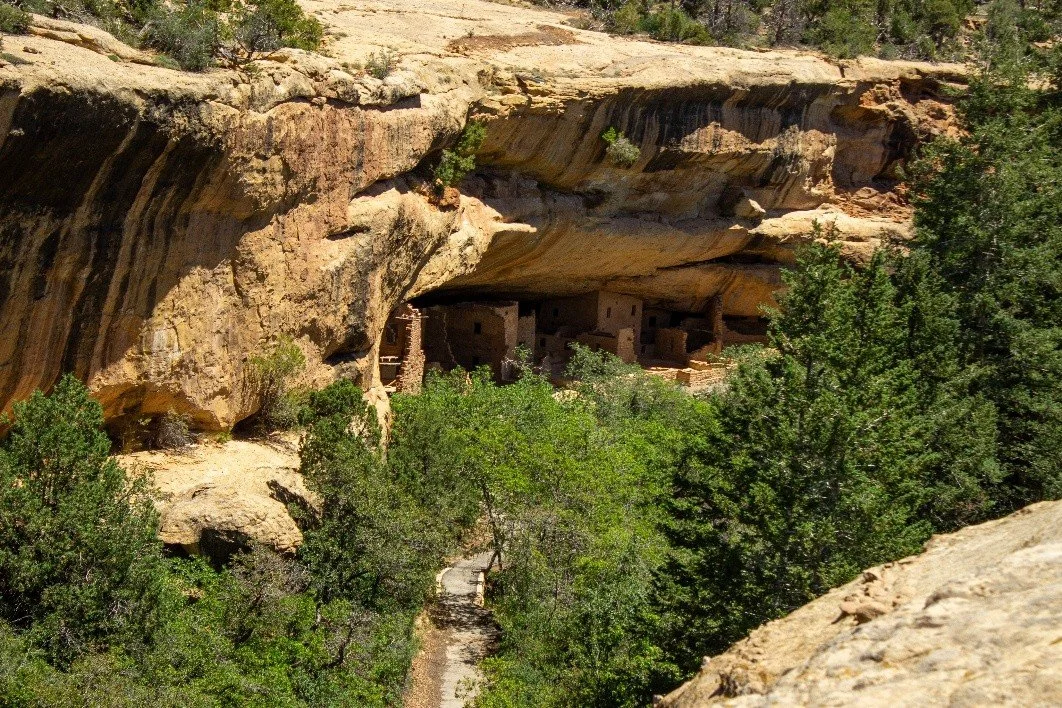
A trail at Mesa Verde, with an ancestral dwelling visible in the distance — a reminder of the lasting connection between Indigenous communities and the landscape they nurtured. (Ashley Glasco)
Art For Our Parks is embarking on a new journey — one rooted in listening.
Last semester, as our founder, Ashley, became enthralled with conservation ethics, she learned that within the world of conservation, inclusion is still a work in progress. In fact, the first stewards of these lands are frequently underrepresented in conservation storytelling and decision-making. Which sparked an important question:
How can we create art inspired by these landscapes in ways that honor their full history and Indigenous perspectives, and cultivate appreciation rather than exploitation?
The Work Behind the Vision
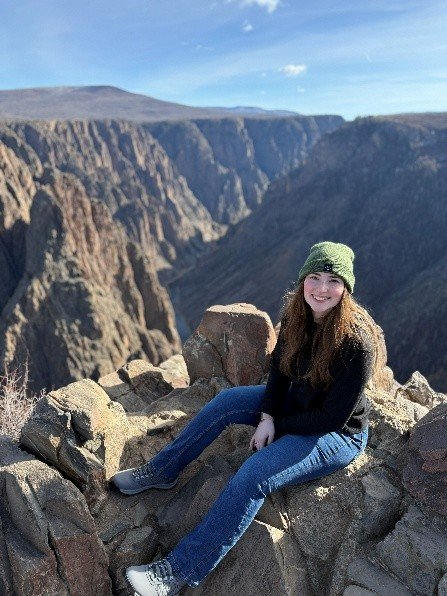
Through Ashley’s own conservation initiatives, she learned that the best way to create change is to research, plan, and act. She found that through indigenous-led conservation efforts, outcomes were transformative and innovative. However, she didn’t want to focus solely on conservation; she also wanted to explore how the artists of Art For Our Parks could serve as allies. That soon led her to partner with Fawn Brown, Art For Our Parks' newest Community & Indigenous Partnerships Advisor.
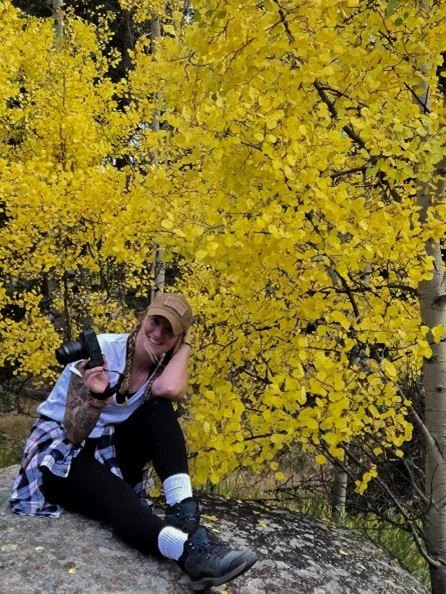
Fawn, a citizen of the Cherokee Nation, brings both personal experience and professional credibility to the project. She has been conscientiously reaching out to different tribes, building relationships, and ensuring that engagement prioritizes long-term relationships, cultural respect, and tribal sovereignty, with collaborations following tribal direction and consent.
Together, Ashley and Fawn are leading a collaborative effort to shine a light on the critical role Indigenous knowledge and leadership play in conservation and art.
Telling the Whole Story
“To truly understand the land, it's important to honor those who were its original stewards,” Ashley said. “Instead of continuously taking from these lands by capturing their essence and beauty, artists must create a connection back to the land to truly understand it. And that all starts with Indigenous voices.”
Art has an impact; it can inspire and influence how people see landscapes and wildlife. But when artists capture these beautiful landscapes, it's equally important to truly understand the land's history. Listening to Indigenous voices ensures that the stories told through art are accurate, respectful, and deeply rooted in the land’s true heritage.
By centering Indigenous knowledge and perspectives, artists and conservationists alike can create work that reflects the full story of the land — its past, present, and the communities who have cared for it for generations.
“Former Cherokee Nation Deputy Chief, Hastings Shade used to say the key to living in peace and balance was ‘ayetli tsidoga’ or ‘standing in the middle,’” Fawn explains. “I think we could all benefit from that perspective, in whatever we do, whether for ourselves or others, it should help bring balance to the world around us.”
A New Chapter Begins
Art For Our Parks is proud to formally introduce its newest project: The Indigenous-Led Artist Series.
Where the voices of the land’s original stewards can be heard, seen, and felt. We do not speak for these communities; rather, we aim to uplift and amplify their leadership, ensuring that their perspectives lead the conversations and reach a wider audience.
Stay tuned for more stories, artwork, and collaborations that celebrate leadership in conservation and art.
Sources:
Stronger together: Supporting indigenous-led conservation | Canadian parks and wilderness society. (2025, October 29). https://cpaws.org/stronger-together-supporting-indigenous-led-conservation/
