Welcome to the Indigenous-Led Artist Series
This series shares conversations with Indigenous artists, storytellers, and community members who choose to reflect on their relationships with land, creativity, culture, and conservation. Through storytelling, art, and dialogue, these conversations explore how people understand, care for, and connect with the places they call home.
Alongside interviews, this section includes podcasts, articles, journals, books, and other educational resources that have informed our learning about Indigenous perspectives on conservation, stewardship, environmental responsibility, and the interconnected relationships between people, land, water, plants, and animals.
The purpose of this series is not to speak for Indigenous peoples or present a single viewpoint. Indigenous Nations and communities are diverse, and the perspectives shared here reflect the experiences and knowledge of the individuals who choose to participate.
This project is grounded in listening, respect, consent, and a commitment to ongoing learning. It invites readers to engage thoughtfully with Indigenous voices while recognizing that meaningful understanding comes through continued education, relationship-building, and accountability.
Stories & Reflections
This collection of stories, interviews, and reflections explores connections between art, land, conservation, and Indigenous perspectives. Each piece reflects the experiences, observations, and voices of the individuals involved, offering opportunities for learning, reflection, and deeper engagement with place.
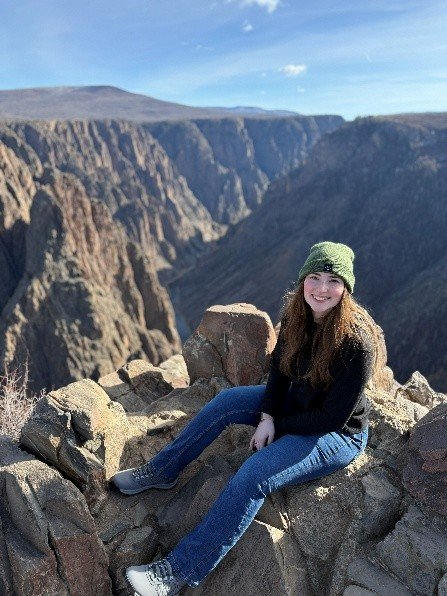
Listening to Land: A Conversation with Fawn Brown
Fawn Brown (ᏣᎳᎩ / Cherokee Nation) discusses her work as an artist and co-lead of the Indigenous-Led Artist Series, reflecting on land, conservation, and Indigenous storytelling.
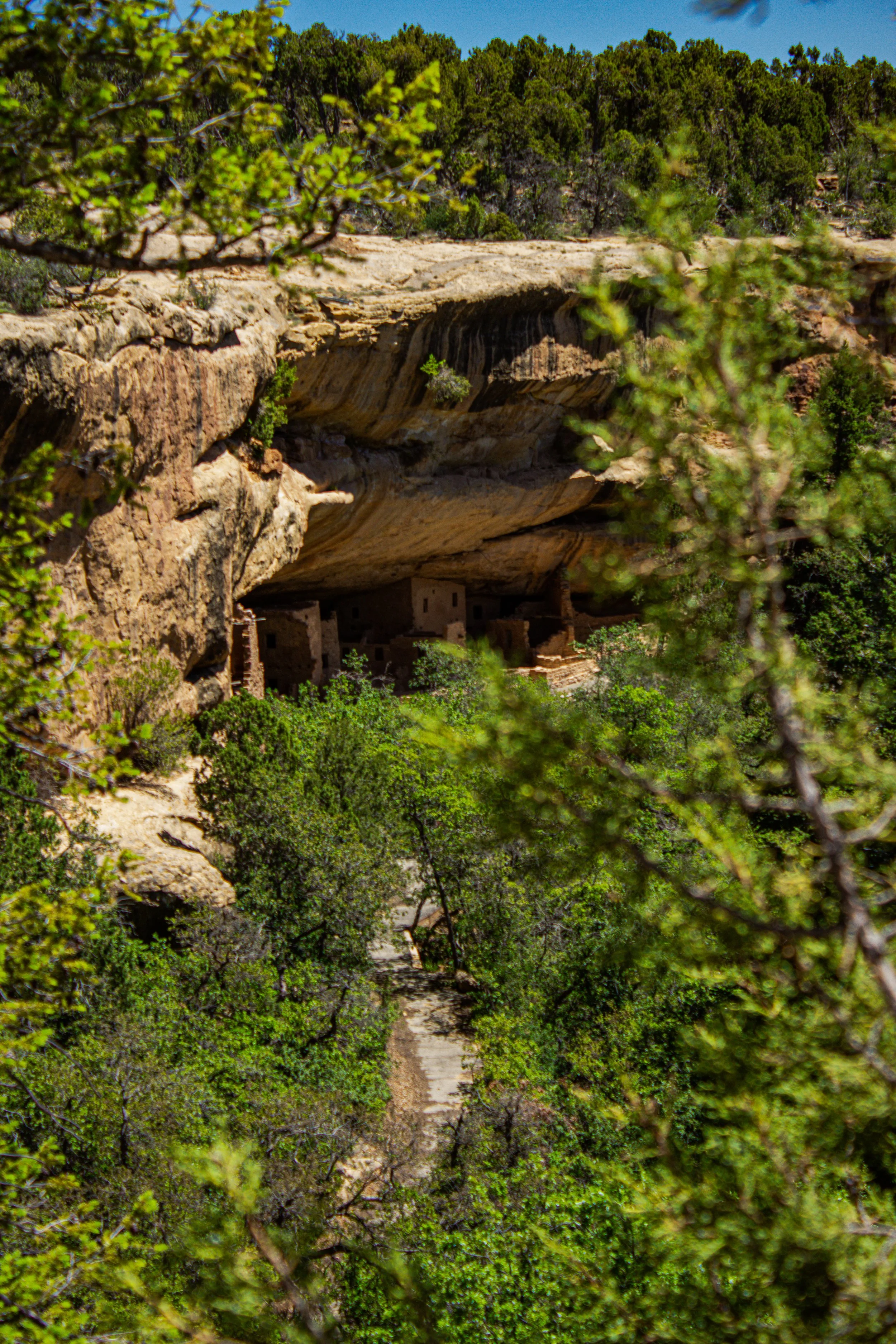
The Importance of Indigenous Voices in Conservation Art
A look at why Indigenous voices are essential in conservation art, and how Art For Our Parks is working to uplift Indigenous leadership through a new artist series.
Conservation Resources, Podcasts & Articles - COMING SOON!
Learning is an ongoing process. This collection includes podcasts, academic journals, articles, books, and other resources that have informed our understanding of Indigenous perspectives on conservation, stewardship, land relationships, and environmental responsibility.
These resources are shared as starting points for exploration and continued learning. Whenever possible, priority is given to Indigenous authors, researchers, organizations, and voices.
A Note on Indigenous Perspectives and Representation
This series is intended to support listening, learning, and respectful engagement with Indigenous voices, experiences, and perspectives related to art, conservation, and relationships with land.
The stories, interviews, and resources shared here reflect the perspectives of the individuals who choose to participate or whose work is featured. They do not represent all Indigenous peoples, Nations, communities, or ways of knowing.
Care is taken to respect boundaries around sacred, ceremonial, cultural, and private knowledge. Participation in interviews is voluntary, and contributors determine what they wish to share. When individuals choose to identify their Nation or community, that information is included; when they do not, their privacy is respected.
The resources featured throughout this series are intended as opportunities for continued learning and reflection. They are not presented as definitive sources or as substitutes for building genuine relationships with Indigenous communities, organizations, and the lands where we live.
This project is guided by principles of respect, consent, humility, accountability, and ongoing learning.
What This Page Is — and Is Not
This page is:
A space for listening, reflection, and learning
A collection of Indigenous-led stories, conversations, and creative work
A set of conservation and cultural learning resources shared for continued education
An invitation to engage more thoughtfully with relationships between land, art, and responsibility
Guided by respect, consent, and ongoing learning
This page is not:
A single or complete representation of Indigenous peoples or perspectives
A source of sacred, ceremonial, or private cultural knowledge
A replacement for meaningful relationships with Indigenous communities or place-based knowledge
A substitute for Indigenous-led conservation work, leadership, or governance
A claim of authority over Indigenous knowledge.