
Respect the Rut
Every fall, in the high country around Estes Park, something ancient unfolds — the elk rut. More than just a spectacle, it’s a window into wild behavior, seasonal rhythms, and how humans interact with these landscapes.
Respect the Rut is a growing project aimed at fostering a deeper land ethic — grounded in observation, awareness, and ethical engagement with the natural world. This isn’t just about elk; it’s about how we show up in wild places, how we learn from them, and how we protect them for the future.
On this page, you may find:
- Field photography capturing moments from the rut and beyond
- Submitted works from other artists, writers, and photographers
- Interviews with NPS rangers, visitor center staff, and local visitors about wildlife stewardship
- An interactive phenology map, where you can share what you’ve observed — from bugling elk to the first frost, golden aspens to early snow
- Personal reflections inspired by Aldo Leopold’s Land Ethic, encouraging mindful presence and care for the land
This is a story in progress — shaped by the land, the animals, and the people who pay attention.
Stay curious. Stay connected. Act responsibly.
Voices & Insights
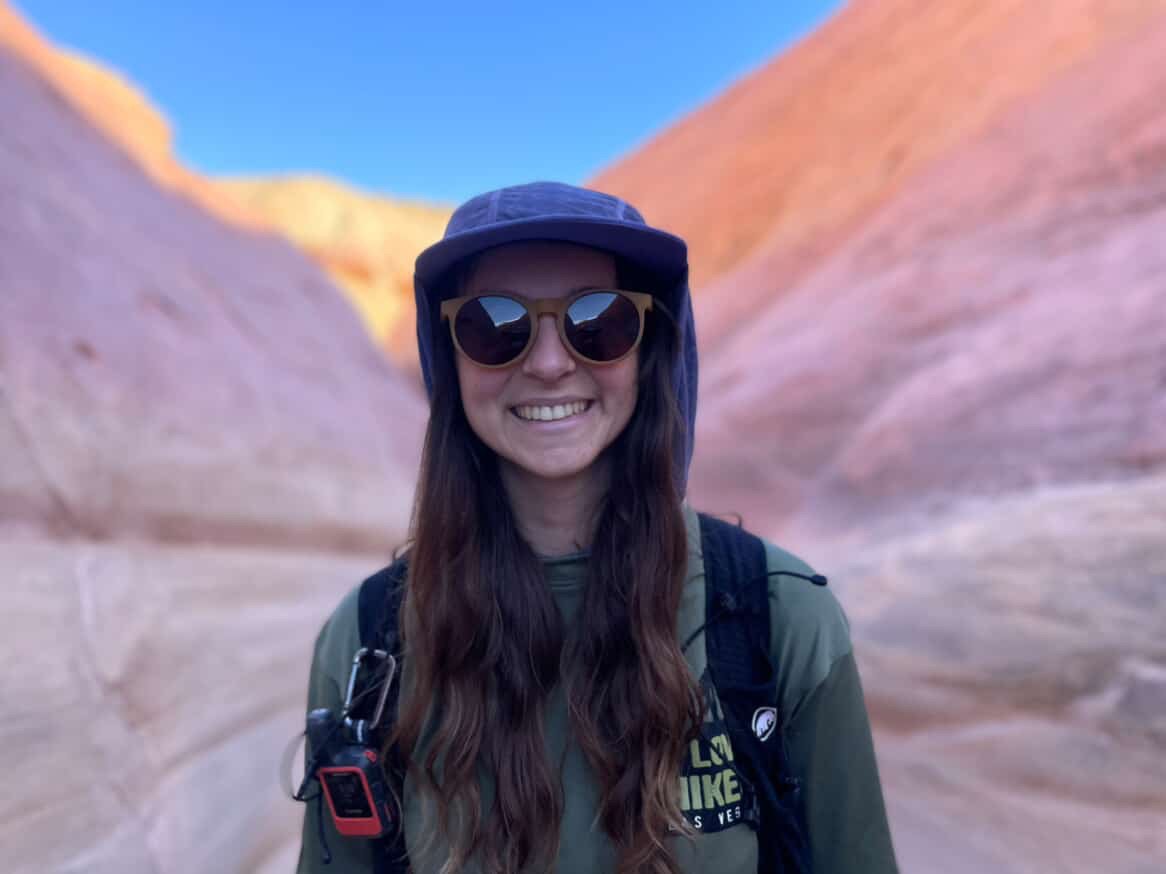
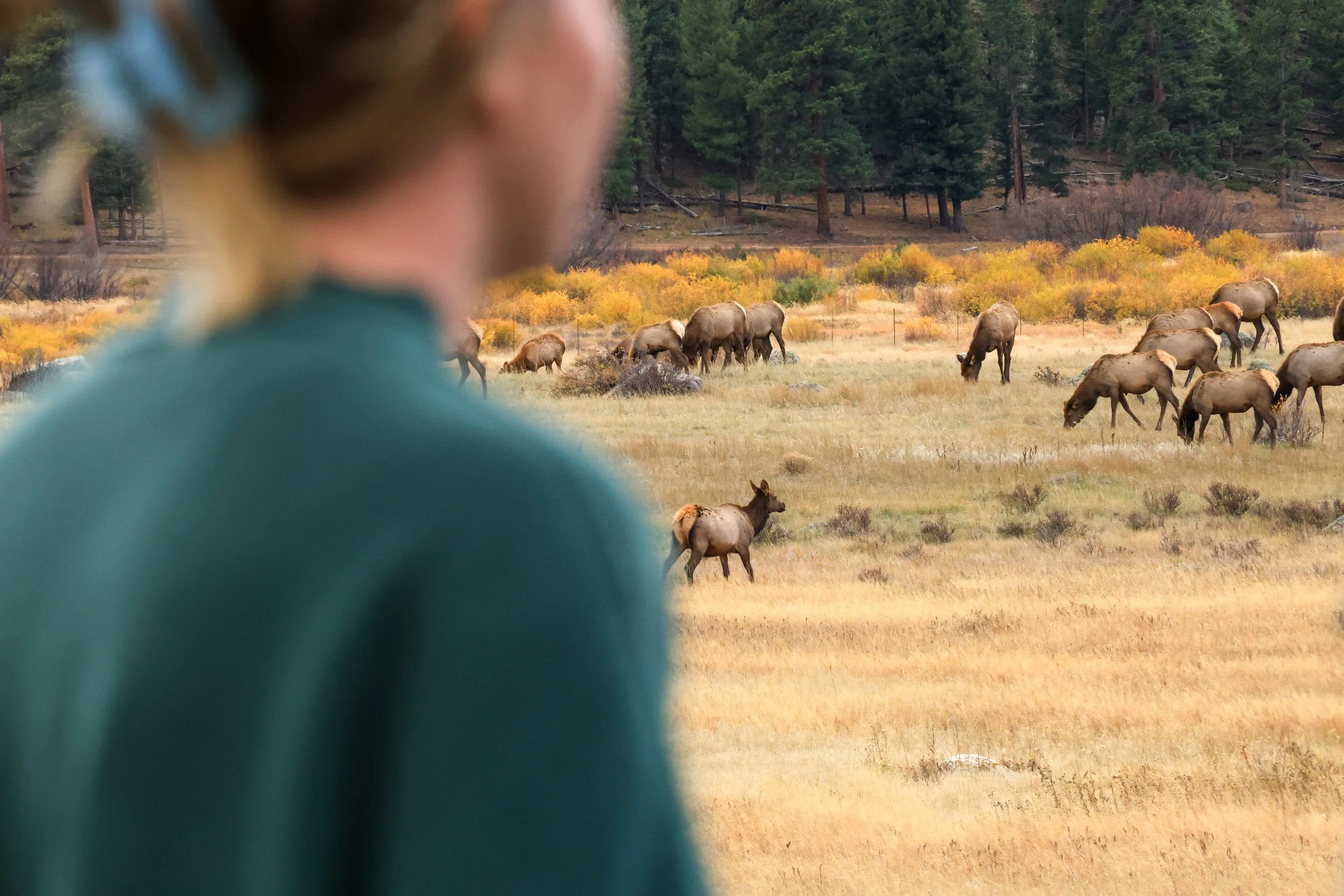
Interviews:
Publications:
Ethical Elk Viewing — Planet Forward
I wrote about ethical elk viewing as part of the Respect the Rut campaign, exploring how education, storytelling, and community collaboration can help protect wildlife during sensitive seasons.
The article is fully accessible and optimized for online reading.
Updates & Collaborations:
Estes Park & Rocky Mountain National Park Phenology Project
Estes Park & Rocky Mountain National Park Phenology Project
Observe. Reflect. Share. Protect
“To keep every cog and wheel is the first precaution of intelligent tinkering.” —Aldo Leopold
What Is This Project?
The Estes Valley and Rocky Mountain National Park (RMNP) are home to iconic elk, diverse wildlife, and dramatic seasonal changes. This project invites visitors, residents, and nature lovers of all ages and abilities to slow down, observe the land, reflect and share what they see using phenology, the study of seasonal patterns in plants and animals.
Every observation helps us understand:
Where elk are moving
How seasons shift across meadows and mountains (shifts in snow, frost, or leaf color).
How plants respond to climate and recreation
How people interact with wildlife in these protected places
Why it matters:
Observing phenology turns a visit into science + reflection, helping you build a deeper connection to the land and wildlife. This is not just science — it’s a way to build a deeper relationship with the land we share.
Observe Responsibly: Rules & Signs of Stress
Follow these guidelines to ensure safe, ethical, and respectful wildlife viewing during the elk rut.
These tips help everyone, including visitors with children, pets, or mobility differences, enjoy elk safely and ethically.
Maintain Safe Distance
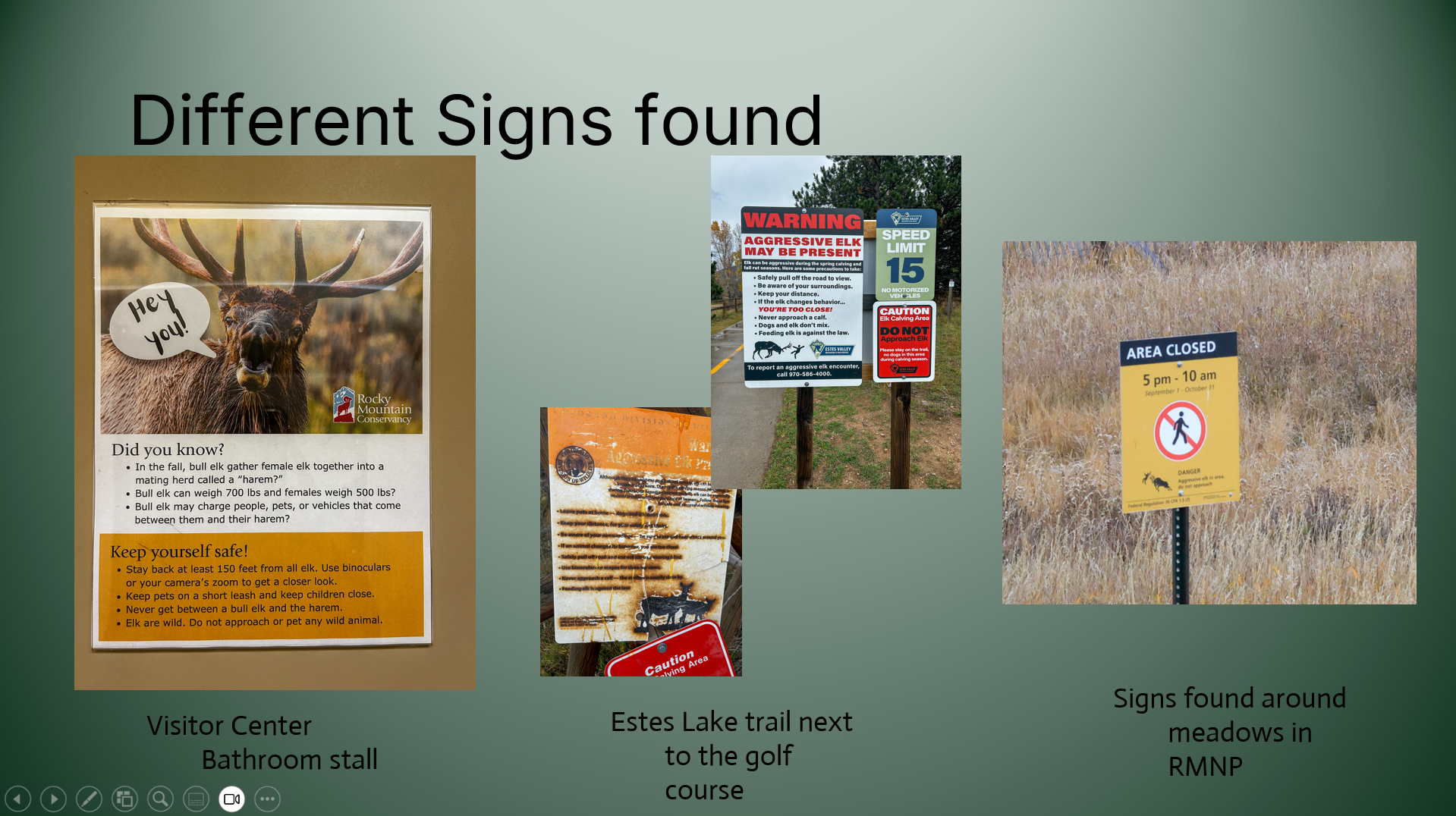
Stay at least 150 ft (45 m) from elk. Increase distance if they show alert or aggressive behavior.
Keep Dogs Leashed
Dogs must be on a short leash and under control. Avoid bringing pets during peak rut times.
Minimize Disturbance
Move quietly, avoid shouting, loud music, or drones. Stay on trails and respect closed areas.
Photography & Observation
Use binoculars or telephoto lenses. Avoid approaching, feeding, or startling elk for photos.
Protect Habitat
Stay on trails, do not remove plants or rocks, and pack out all trash.
Group Behavior
Keep groups small, maintain distance from other visitors, and follow park signage.
Seasonal Awareness
Rut occurs Sept–Oct. Avoid approaching elk during feeding or resting periods.
Elk Stress Signals
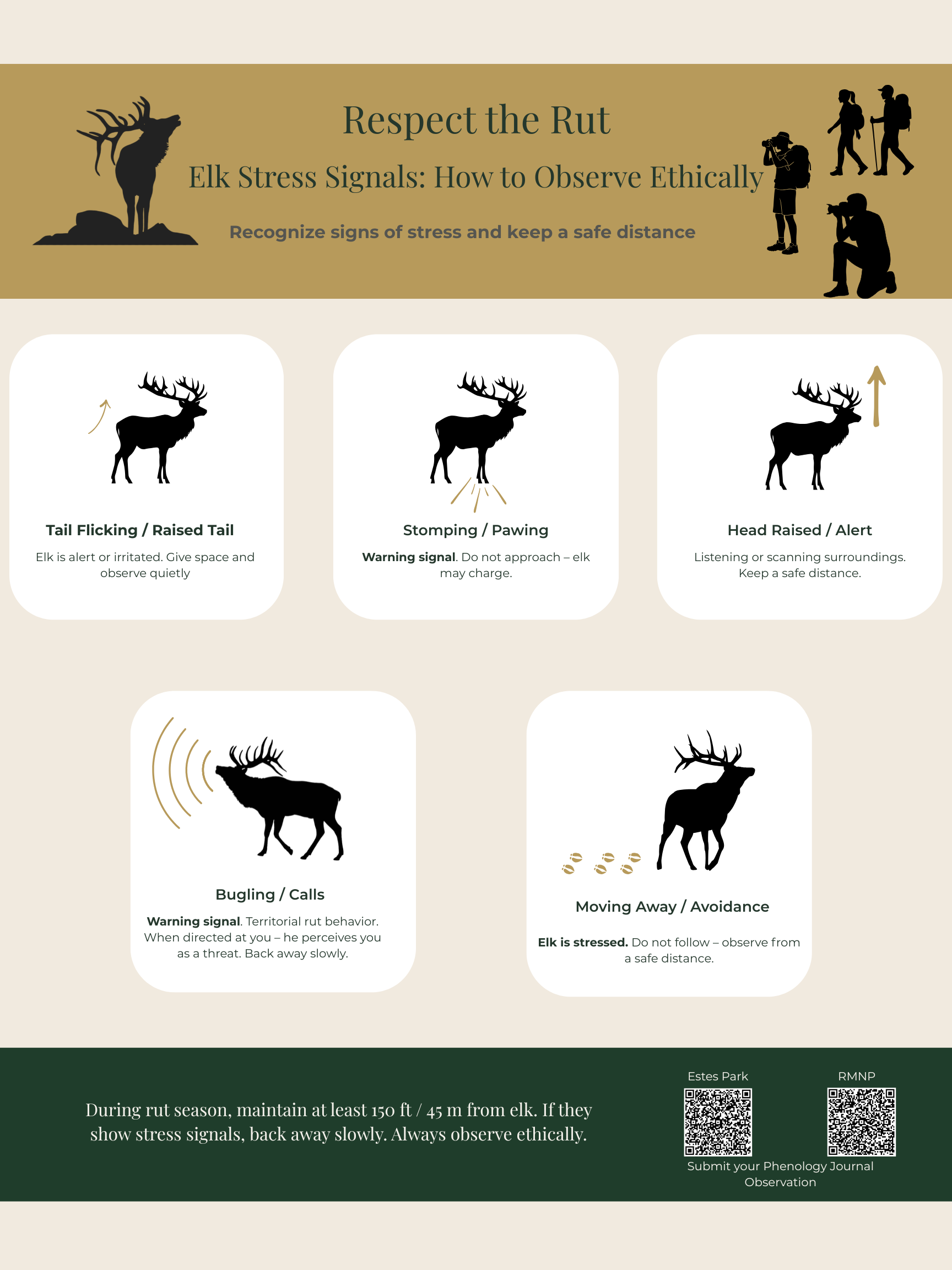
Recognizing signs of elk stress helps us maintain a safe distance and respect elk during the rut.
Share this guide to help promote safe and respectful wildlife viewing.
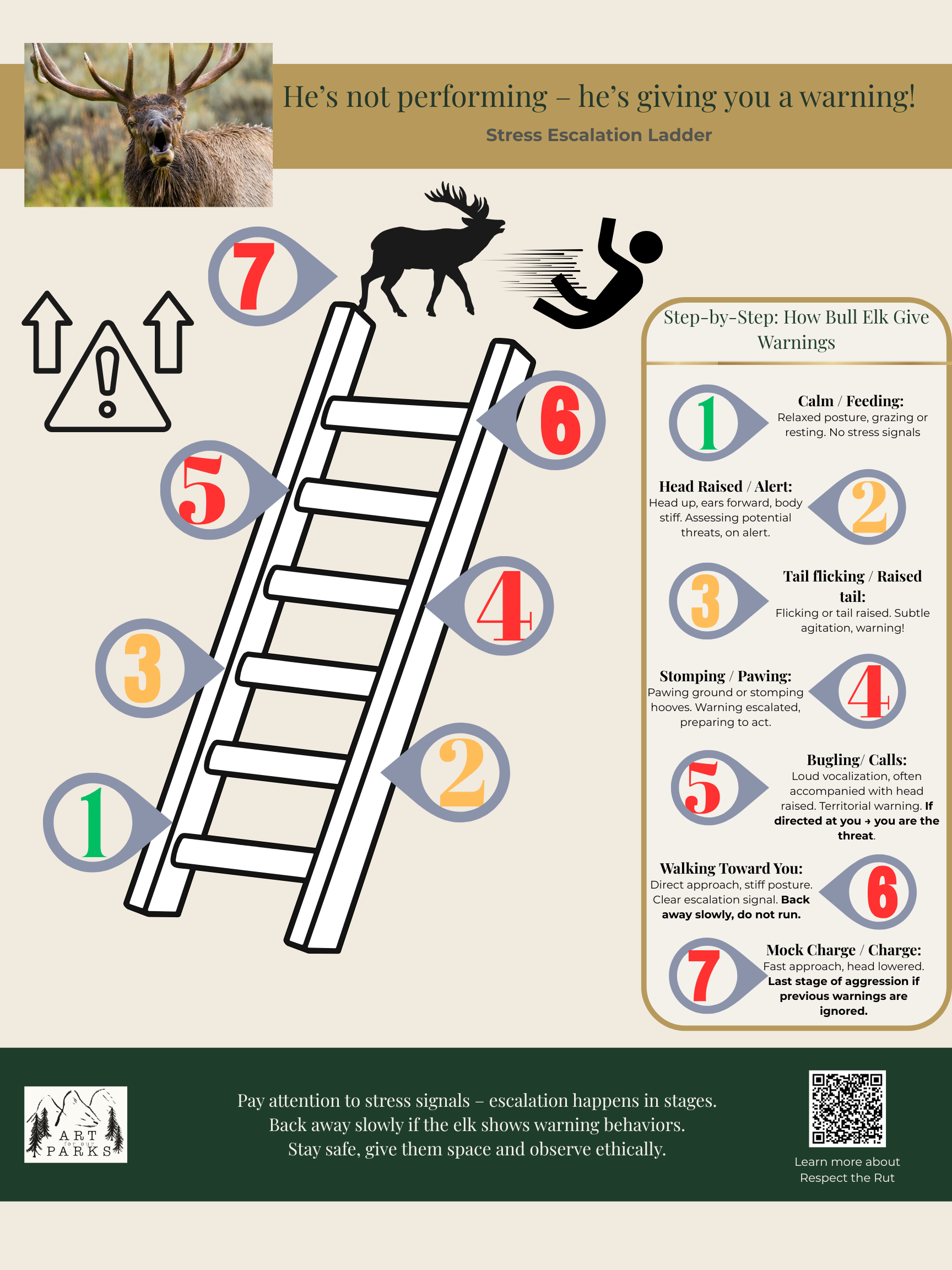
How To Participate
*
How To Participate *
-
Find a quiet moment in places like:
Estes Park meadows and trails
Lake Estes shoreline
Moraine Park
Horseshoe Park
Upper Beaver Meadows
Lily Lake
Any trail or overlook in RMNP
Notice:
Elk behavior (bugling, movement, grazing, spacing)
Other wildlife activity
Plant and seasonal changes
Weather patterns (frost, snow, wind, water levels)
How people interact with wildlife and the landscape
Observe from a safe distance and stay on designated trails.
-
Before moving on, pause and ask yourself:
How does observing elk or wildlife make me feel?
What signs of stress or calm do I notice?
How does this place change with the season?
Did I observe respectful or unsafe human behavior?
How can I reduce my impact here?
Reflection turns observation into connection.
-
Your observations help create a community-built phenology map for Estes Park and RMNP.
You can submit:
Location (trail, meadow, or general area)
Date and time
Photos or videos (optional)
Seasonal or wildlife observations
Notes on ethical wildlife viewing
Each submission contributes to a living record that helps visitors, educators, and conservationists better understand this landscape.
👉 Submit an Observation
Explore the Estes Park & RMNP Phenology Map
A community-built map showing seasonal change, wildlife activity, and ethical human–wildlife interactions.
These maps help visitors understand why respecting distance, staying on trails, and moving quietly matters — especially during the elk rut.
Why This Matters Here
*
Why This Matters Here *
Estes Park and RMNP are unique because:
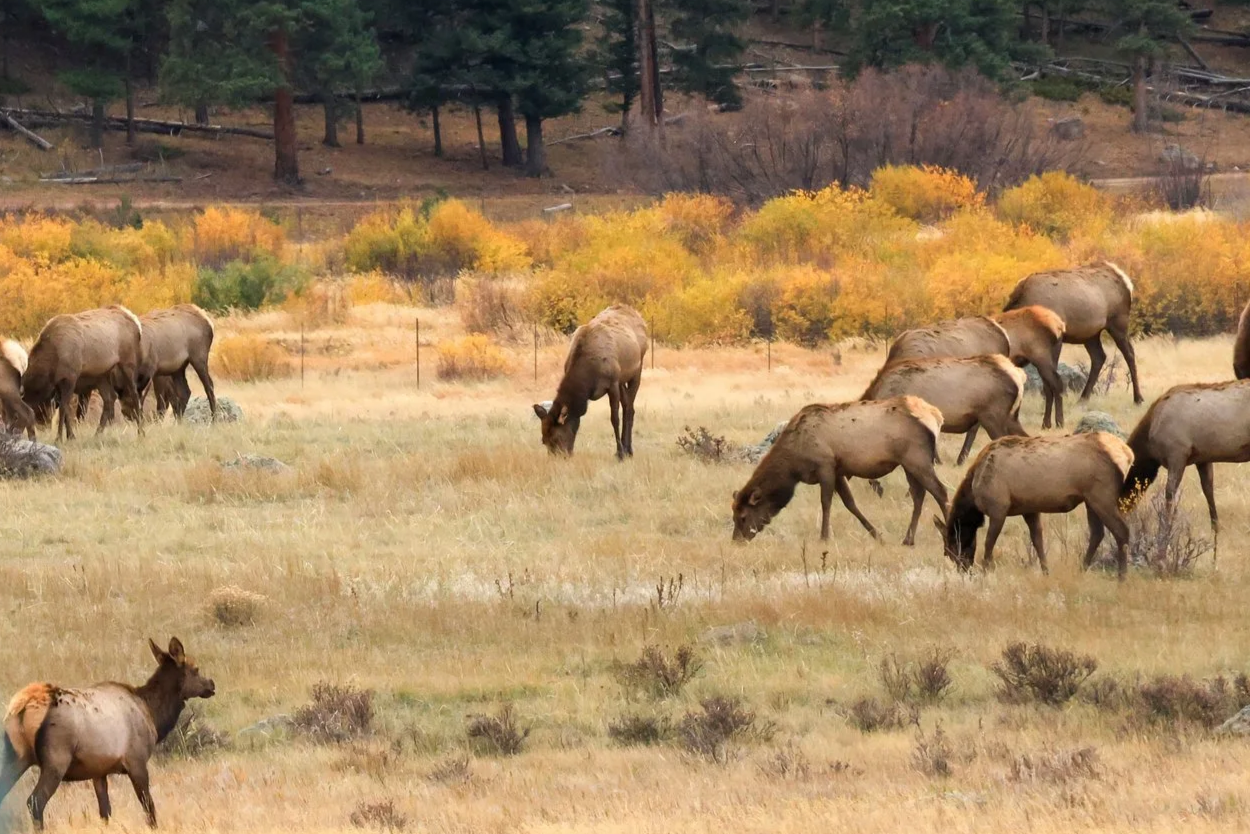
Elk frequently travel through town streets, meadows, and park valleys
Many visitors are unfamiliar with elk behavior, especially during the rut
High traffic increases stress, collisions, and unsafe encounters
Meadows and wetlands are fragile and easily damaged
Seasonal changes shape wildlife survival
Your mindful participation helps protect elk, restore habitat, and promote safe wildlife viewing across the Estes Valley and RMNP.
Respect Wildlife. Protect the Land
“The land ethic enlarges the boundaries of the community to include soils, waters, plants, and animals.” —Aldo Leopold
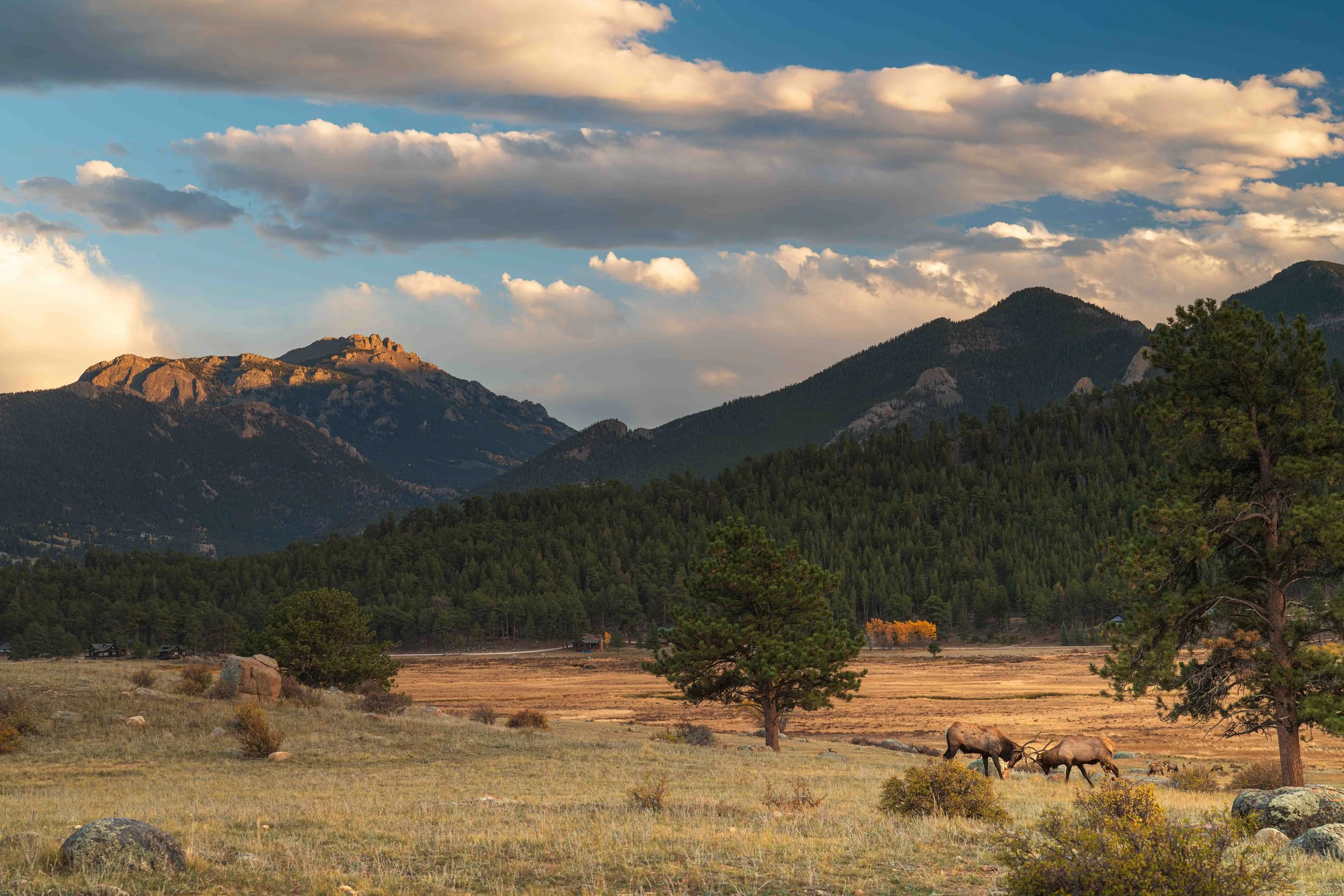
Lessons in Brotherhood by Courtney Foy
A Moment to Pause
Before you leave this page, take a moment to reflect:
“When we see land as a community to which we belong, we begin to use it with love and respect.” – Aldo Leopold
How will you move through Estes Park and RMNP today — as a visitor, or as a member of this land’s community?
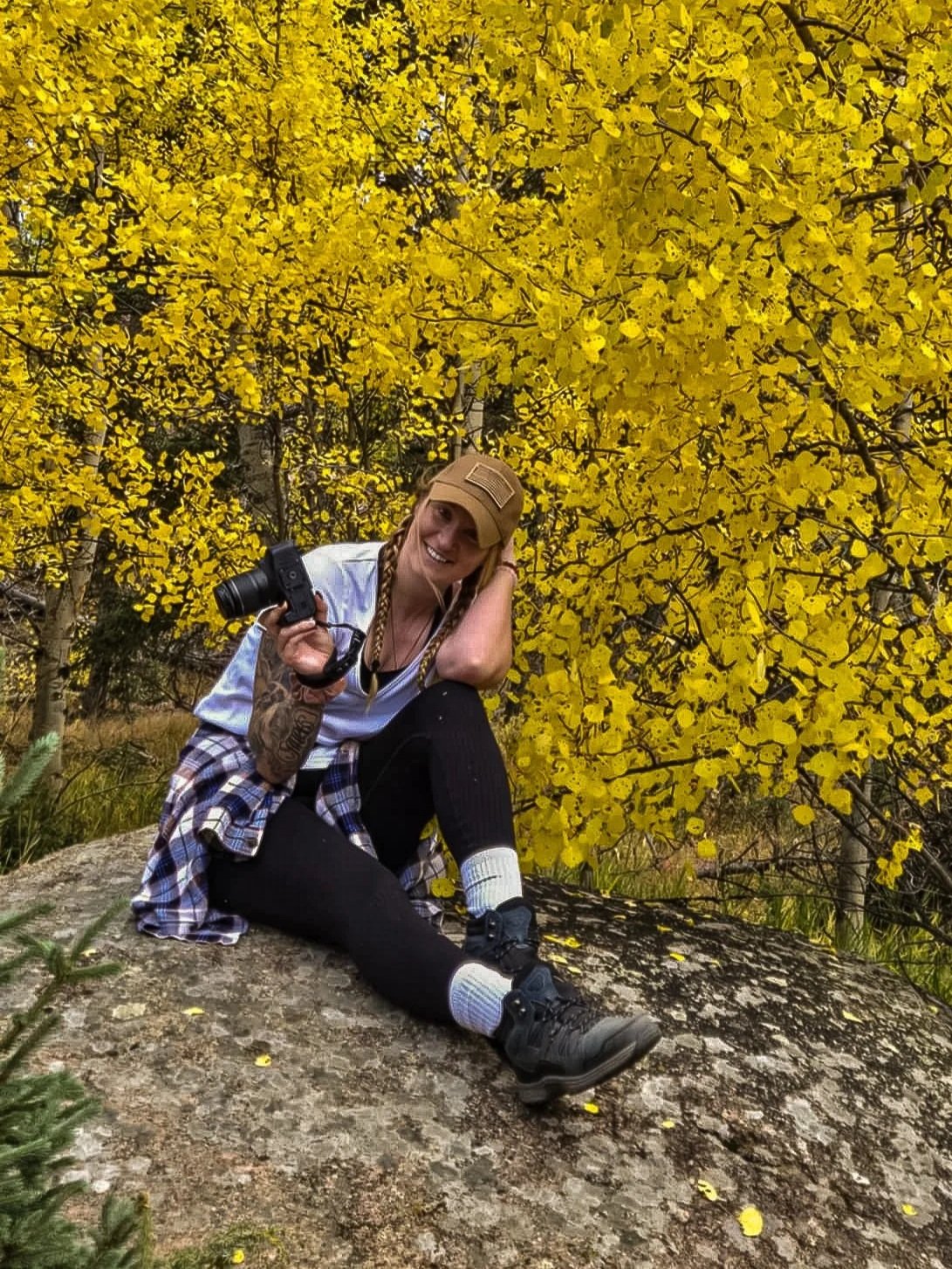
Conservation starts with understanding!
Campaign created by
Ashley Glasco
Founder & Manager of Art for Our Parks